Guides / Cost and Ordering
FSC Chain of Custody for a Small Hardwood Sawmill: Is It Worth It
April 3, 2027
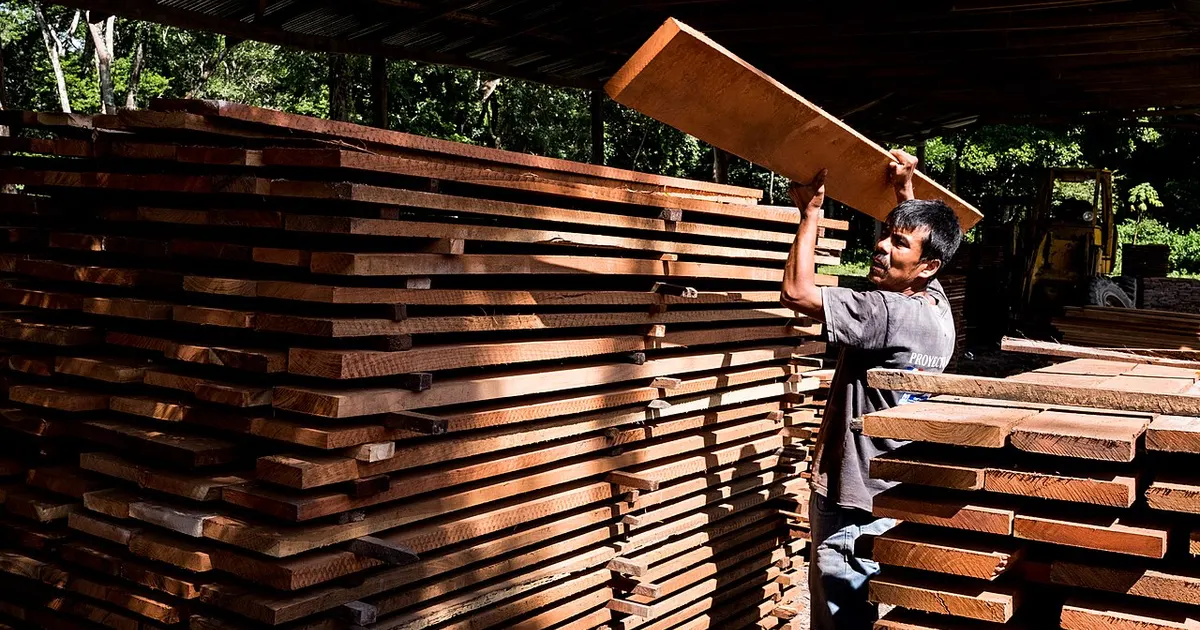
For a small hardwood sawmill, FSC chain of custody is worth the effort only when named buyers need the claim on your invoices and you can source logs that carry a claim of their own. If your buyers never ask, the certificate adds audit cost and paperwork without adding orders. This guide sets out what the certificate is, what the annual audit asks of a small mill, what drives the cost and a short test you can run before you apply.
This is general information as of October 2026, not advice from a certification body. FSC publishes no price for chain of custody and I found no current public survey of what buyers pay extra for FSC hardwood lumber, so neither a cost figure nor a price premium is given here. The numbers you need come from written quotes and from your own buyers.
What chain of custody certification covers
FSC describes chain of custody certification as the route for organizations that produce or distribute forest-based products and want to sell them with an FSC claim. It applies to a mill that sells FSC certified products with the claim on its sales documents, makes semi-finished products from FSC certified material, or puts FSC labels on finished goods. A mill that only sells lumber with no claim does not need it.
It is a different thing from forest management certification. The forest owner holds that one. You hold a chain of custody certificate, which shows that FSC material is identified and tracked through your yard, saw line and shipping desk. FSC says the requirements are a management system that makes sure the forest-based materials you use are FSC certified (including reclaimed material), that certified material is identified and tracked, and that production, purchase and sales records are kept. Core labor requirements apply too: no child or forced labor, no employment discrimination and freedom of association and collective bargaining.
The certificate alone does not make a shipment FSC lumber. Our page on FSC certified hardwood lumber explains why: the invoice must carry the right claim and your certificate code, and the product must be inside your certificate’s scope.
What the audit asks of a small mill
Only a third-party certification body can audit and certify. FSC offices do not issue certificates. The path FSC lays out has six steps.
| Step | What happens | What it means at a small mill |
|---|---|---|
| 1. Choose a certification body | Pick an FSC accredited body | Collect two or three quotes in writing |
| 2. Apply | Describe how you meet the requirements | Draft your procedures before you apply |
| 3. Assessment | The body assesses you | Ask what it will review and what it will check on site |
| 4. FSC Check | Complete the questionnaire before signing the Trademark License Agreement | One person should own the answers |
| 5. Approval | You may produce and sell FSC certified products | Your invoice template changes from this point |
| 6. Annual audits | The body checks continued conformance | Records must stay current all year |
A certification body that offers the audit describes a five year certificate with an annual audit and a recertification audit after five years. It also says nonconformities need corrective action within a set deadline, and a certificate cannot be issued or kept without it. I could not open the text of the chain of custody standard itself, so ask your body for the current standard and for its record retention rules instead of relying on a guess.
Where a small mill usually feels the work is in the records, not the saw line:
- Log intake. Each log lot needs a purchase record that shows whether it arrived with an FSC claim. FSC says its 100% label means all material comes from FSC certified forests, while Mix products combine certified material with controlled fibre or recycled material. In general the claim you can make depends on the inputs you bought with a claim, so a large share of unclaimed logs can cap your certified volume. Ask your body how it treats each case.
- Identification in the yard. Certified and uncertified lumber must stay separate or be tracked so the invoice claim is true. This links to the yard discipline in our 5S guide for the sawmill yard.
- Sales and invoices. The invoice must carry the claim and your certificate code. Our guide on what your mill should publish for export buyers shows where those lines fit on a quote and a stock list.
- Outsourced steps. If a contractor dries, planes or ships your lumber, ask the certification body how that step is covered before you apply.
- A named owner. Someone must keep the system current, answer the auditor and approve claim wording on invoices.
What drives the cost
FSC says costs and duration vary case by case and points you to the local FSC team. The certification body that I opened lists what moves the quote: company size, product range and the FSC control system you use (transfer, percentage or credit). It adds that FSC also charges sales-related fees (it names them as AAF fees). Two other costs are easy to miss because they are not on the quote: the staff time to keep records, and the margin you lose on any lumber you must hold apart.
For a very small mill, FSC says its group certification programme makes certification easier and more affordable. In general, companies with fewer than 25 employees and less than US$1 million in annual turnover may be eligible, though criteria vary by market. Ask the local FSC office whether a group exists for hardwood mills in your region and who runs it.
A test before you apply
Run this over a month, with real names and real dates.
| Question | Good sign | Bad sign |
|---|---|---|
| Do buyers ask for FSC in writing? | Two or more named buyers put the claim on an RFQ or purchase order | Only general questions at trade shows |
| Will they take your volume with the claim? | A stated volume or a repeat program | “We might use it someday” |
| What share of your logs carry a claim? | Enough to cover the volume buyers want | Most intake has no claim |
| Do they accept another scheme? | They need FSC specifically | PEFC or SFI would do. See SFI chain of custody for mills |
| Can you keep the records going? | A named owner with time set aside | The owner is you, on top of everything else |
If most answers sit in the right-hand column, wait. If two buyers have asked in writing and your log intake can cover the volume, request quotes.
What it does not prove
FSC states that certification does not replace due diligence, though it strengthens the quality and credibility of evidence in an EU deforestation regulation system. It does not replace a Lacey Act declaration, CITES permits or the data in your EUDR due diligence file. It also says nothing about grade, moisture or tally. For the legal papers see Lacey Act, FSC and legal timber papers.
Talk to us
If you run a sawmill or yard and want buyer requests that say which species, grade, drying and paperwork they need, including whether a certificate claim is required, see for suppliers. Tell us what you sell and which claims, if any, you can put on an invoice. Talk to us if you want to go through what your buyers ask for before you spend on an audit. We reply within 24 business hours and we make no promise of orders.
Sources
- FSC, chain of custody certification (who needs it, process, annual audits, costs, group certification)
- SQS, FSC-STD-40-004 V3-1 certification (five year certificate, annual audit, cost factors, administration fees)
- FSC Canada, what do the FSC labels mean (100%, Mix, Recycled)
- FSC, controlled wood and the FSC Mix label
- FSC and EUDR (certification does not replace due diligence)
Frequently asked questions
Does a small sawmill need FSC chain of custody to sell hardwood lumber?
No. FSC says certification is for organizations that sell products with an FSC claim on sales documents, label finished goods or make semi-finished products from FSC certified material. A mill that sells lumber with no FSC claim does not need it. You need it only when a buyer requires the claim on the invoice.
How long does an FSC chain of custody certificate last?
A certification body describing the standard says a certificate is valid for five years, with an audit every year and a recertification audit after five years. Your own certification body sets the dates and confirms them in your contract.
How much does FSC chain of custody cost a small sawmill?
FSC says costs and duration vary case by case and publishes no figure. A certification body says the cost depends on company size, product range and the control system you use, and that FSC also charges fees tied to your sales. Ask two or three FSC accredited certification bodies for written quotes.
Is there a cheaper route for a very small mill?
FSC offers group certification for smaller companies. In general, companies with fewer than 25 employees and under US$1 million in annual turnover may be eligible, though the criteria vary by market. Ask your local FSC office whether a group scheme exists for hardwood mills where you are.
Know what you need? Send the spec.
Tell us the species, grade, thickness and board feet. We pass it to up to 3 mills or yards that carry it and reply within 24 business hours.
Send my lumber RFQ