Guides / Choosing a Supplier
Photographing Lumber Lots for Remote Buyers: The Shot List, Tags and Moisture Readings
February 16, 2027
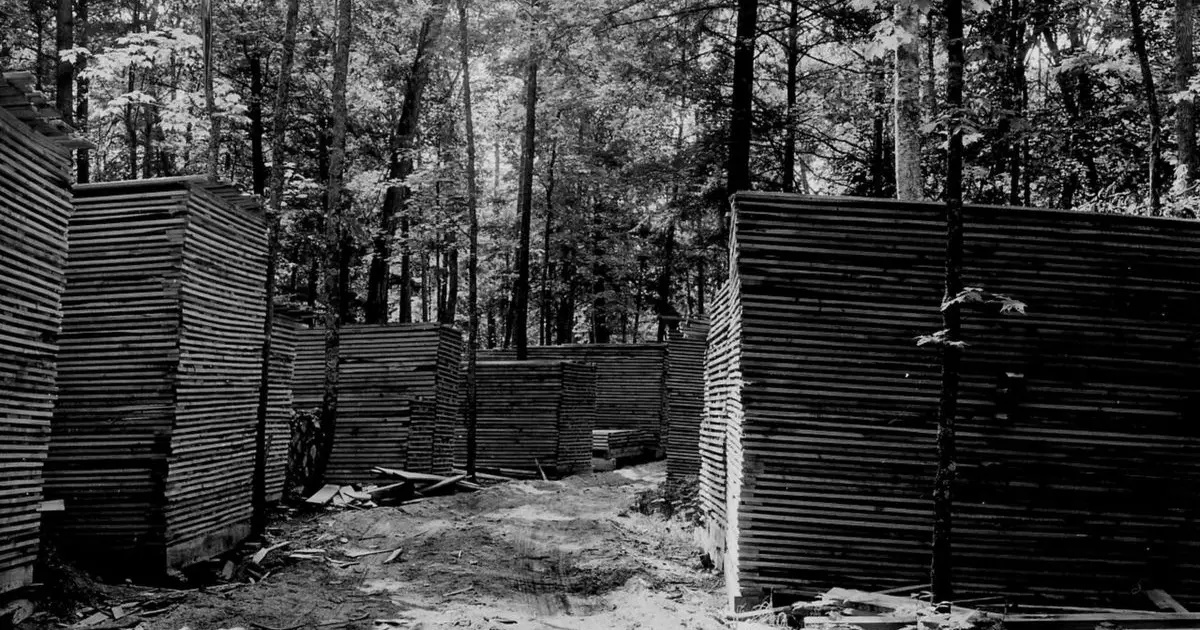
A remote buyer cannot walk the yard, so your photos have to answer the questions a visit would: is this the species and grade on the tally, are the boards dry, how are the bundles packed and what does the worst typical board look like. A good set is a fixed shot list taken the same way for every lot, with the tag and a scale in frame, both faces of the sample boards and a moisture reading on the meter. This guide is for mills, yards and exporters. It covers the shot list, how to take each photo, how to show moisture and how to file the set so it still helps if a claim comes.
This is general information as of October 2026. No public hardwood standard sets photo rules for sellers that I could open, so the numbers below come from a Swedish softwood contract appendix and a Purdue Extension grading publication, used here as models. Your contract decides what you owe.
Why a fixed set beats a nice picture
Photos do two jobs. Before the sale they let a buyer judge the stock. After the sale they are the first evidence when someone asks what was actually in the box. A single attractive photo of one perfect board does neither job.
The Swedish Wood claims instructions, an appendix to the Softwood Contract 2015 adopted by the Finnish, Swedish and Norwegian forest industry federations, show what a buyer is asked to document. The buyer takes at least three photos per package on receipt, and at least five (video if possible) when claiming damage. One photo shows the entire side of the package and one shows the package specification, meaning the timber package number, bill of lading marking and shipping mark. For a moisture claim one photo shows the measured moisture content of a timber piece. The appendix lists as not approved a photo showing only a few pieces from the package or only a few knots, because it cannot substantiate a quality claim.
That sets a useful bar for the seller. If the buyer will be asked for those photos on arrival, shoot the same views before shipping. Then both sides can compare the same shot of the same bundle at two points in time. Our guide to making a claim shows what the buyer does with them.
The shot list
Take these for every lot you offer or ship, and for each sampled bundle in a shipment:
| Shot | What to show | Why it matters |
|---|---|---|
| Whole bundle, one long side | The full length and height, tag readable, a tape or ruler laid against it | Proves what the load looks like and gives scale |
| Bundle end | End of the boards, stickers or wrap, thickness stack | Shows thickness range and end condition |
| Tag close-up | Bundle number, species, grade, thickness, board feet | Ties the photo to the line on the tally sheet. The USDA export handbook counts banding, grade stamping, labeling and color coding of bundles among the mechanics of export shipping, so shoot the marking that is really on the bundle |
| Sample boards, both faces | Three or more boards from different layers, each face shot separately | Grade is set from the poorer face |
| Worst typical board | A board near the lower limit of the grade, whole board in frame | Shows what the grade can look like, not just the best |
| Moisture reading | Meter display and the board in one frame | Backs the stated moisture range |
| Loaded container | Open doors, load seen from the front, then the sealed door with container and seal numbers | Shows how it left your yard |
Two of these deserve a closer look.
Both faces, and the poorer one
Purdue Extension’s grading publication says hardwood lumber is generally graded from the poorest side of the piece. The exceptions are FAS 1-face and Select, where one side must grade FAS and the reverse No.1 Common. If you photograph only the face that makes the board look best, the picture does not show the face the grade depends on. Shoot the poorer face as the main shot and the better face as a second. For a lot sold as FAS, take a few boards where the worse face is still inside the grade, not the one board that is clear on both sides. Our guide to NHLA grades explains what the grader looks for.
The worst typical board
A photo of the worst board you would still ship in that grade reduces claims more than any other single shot. The buyer sees the limit of the grade before ordering, so a board like it on arrival is not a surprise. It also shows the Swedish Wood point in reverse: a close-up of a single defect cannot prove a lot is off grade, and a close-up of a single perfect board cannot prove it is on grade. Show the whole board, and show it in the context of the bundle.
Moisture readings you can photograph
A number without a method is hard to defend. The Swedish Wood appendix describes the method it expects in a claim, taken from EN 13183-2 for resistance meters: measure 300 mm from the end of the plank, insert the insulated electrodes into the flat side along the grain on a line 0.3 of the board’s width from the edge, to a depth of 0.3 of the thickness, after checking the meter on a calibration block. You can use the same placement for your own readings, because then the buyer’s check on arrival repeats yours.
For the photo:
- Hold the meter against the board so the display and the board are both readable.
- Note the meter model, species setting and correction on the file name or caption. Pin and pinless meters read differently, as our guide to moisture meters explains.
- Take readings from boards in different bundles and different layers, and show at least the highest and the lowest.
- If you state a range on the quote, make sure the range covers every reading you photographed.
Rules for the frame
These are practice, not rules from a standard:
- Daylight or even light. Avoid a flash that washes out grain and defects.
- No filters or color edits. Wood color varies, and a photo that looks different from the board creates its own dispute. If a species darkens or fades with light, say so in the offer.
- Scale in frame. A tape, ruler or a marked board end lets the buyer judge width and thickness.
- Do not crop away the tag. The tag and any bundle number are the proof the photo belongs to that lot.
- Real stock only. Never use a picture of another lot, a competitor’s yard or a stock image to illustrate your wood. If an illustration is unavoidable, label it as one.
Filing the set
Treat the photos like the tally sheet: one folder per shipment, one subfolder per lot, original files kept. A simple naming pattern works:
| File name | What it is |
|---|---|
2027-03-14_RO-4-4_B0417_side.jpg |
Whole bundle, side, tag 0417 |
2027-03-14_RO-4-4_B0417_poor-face-1.jpg |
Poorer face of sample board 1 |
2027-03-14_RO-4-4_B0417_mc-2.jpg |
Moisture reading on board 2 |
2027-03-14_C-8821_sealed.jpg |
Sealed container door with numbers |
The example uses made-up numbers. Keep the originals, because the date and time stored in the file can help show when a photo was taken. Send the contact sheet or a link before the ship arrives, along with the tally.
How long to keep them depends on the contract. Purdue’s summary of the NHLA sales code, which binds only if the contract says it governs, says the buyer has 14 days after receipt to file a claim and must leave the lumber unaltered. That summary is based on the 1998 rule book, so check the current edition. Keep your photos at least through that window and longer for repeat customers or large lots.
Using photos in an offer
Photos also sell. A dated stock list with photos of real bundles, the tag in frame, answers buyers before they ask. Our guide on what a sawmill should publish for export buyers lists the other fields to show next to them. If you quote container loads, the same photo habits help with loading and tally.
Next step
If you sell hardwood lumber and want requests from buyers whose species, grade and thickness fit your stock, register your mill or yard. Tell us your species, grades, drying and tally basis, and say whether you can send a photo set per lot. We pass a buyer’s spec to you only when it fits. Each request goes to 3 suppliers at most and the buyer deals with you directly. We reply within 24 business hours, and we make no promise of orders.
Sources
- Swedish Wood, photo instructions for claims handling (Softwood Contract 2015, appendix A)
- Purdue Extension, Quality Control in Lumber Purchasing: Hardwood Lumber Grades (FNR-130)
- USDA Foreign Agricultural Service, A Guide to Exporting Solid Wood Products, Agricultural Handbook 662 (revised January 2002)
Frequently asked questions
How many photos of a lumber lot does a remote buyer need?
No published hardwood standard sets a number. The Swedish Wood softwood contract asks the buyer for at least three photos per package on receipt and five when claiming damage. A mill can shoot the same set per sampled bundle before shipping, plus the loaded container, so both sides can compare like with like.
What must be visible in a photo of a lumber bundle?
The whole side of the bundle with the tag readable, so the number, species, grade and thickness match the tally sheet, and a second photo of the bundle end. The Swedish Wood instructions also want the package number, bill of lading marking and shipping mark shown on one photo.
Why photograph both faces of the boards?
Hardwood is generally graded from the poorer face, and the FAS 1-face and Select grades require one face to meet FAS and the reverse No.1 Common, according to Purdue Extension. A photo of only the better face can mislead the buyer, and it will not help you if the grade is questioned.
How do I photograph a moisture reading?
Show the meter display and the board in one frame. Swedish Wood's claims instructions, based on EN 13183-2, measure 300 mm from the board end, with electrodes along the grain at 0.3 of the width from the edge and 0.3 of the thickness deep, after checking the meter on a calibration block.
Know what you need? Send the spec.
Tell us the species, grade, thickness and board feet. We pass it to up to 3 mills or yards that carry it and reply within 24 business hours.
Send my lumber RFQ